“Bastille is to France what the Tower of London is to England, and Yedikule is to the Turks.” – Edmondo de Amicis
Yedikule is one of the most important dungeons of the walls surrounding Istanbul. Named in songs, sung in songs and filmed, the dungeon is now Istanbul’s largest open-air museum. The Golden Gate, one of the most important gates of the 71 city gates. Towers and dungeons surrounding it continue their historical journey today.
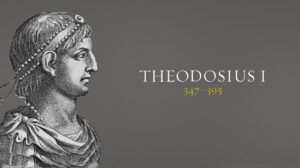
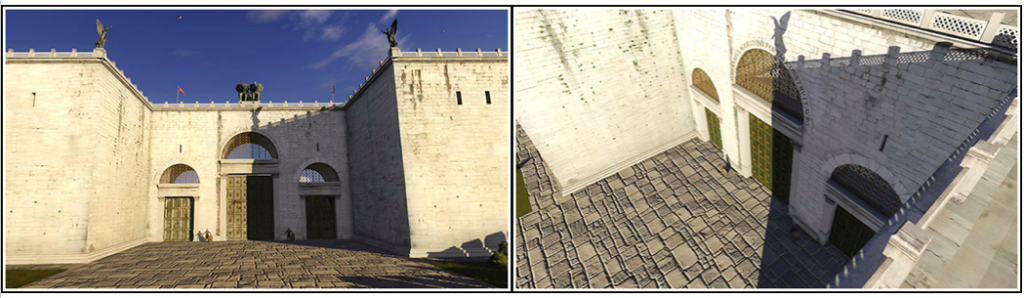
The Golden Gate, which became a part of the fortress, was built by Byzantine Emperor Theodosius I as a triumphal arch away from the old city walls. It is a gate where victorious emperors, dignitaries and guests entered. When Theodosius II built the second city walls, he merged four watchtowers with the Golden Gate, making it part of the walls.
Over more than 800 years, it has opened its doors to many victors and dignitaries, crowning festivities with its grandeur. During the Latin occupation in 1204 during the Fourth Crusade, like many other structures, the golden coverings, arches, belts, and golden statues of the triumphal arch were looted and taken to Italy.
OTTOMAN PERIOD
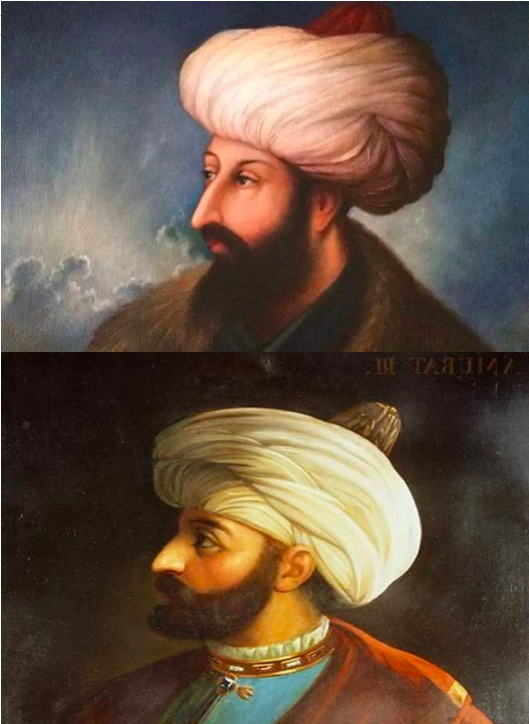
During the Ottoman period, after the conquest of Istanbul, three more towers were added to Yedikule to make it a fortress with seven towers. This also became the third largest monumental military structure built by the Ottomans in Istanbul in the early period. From the time of Fatih Sultan Mehmet to Sultan Murad III, a general section was used to safeguard the imperial treasury. During the time of Sultan Murad III, it was converted entirely into a dungeon and used as such until the 1830s. A structure that was once used as Arslanhane and the Kız Art School was converted into a museum in 1895.
Yedikule Fortress Museum
I see the Golden Gate (Porta Aurea) as soon as I enter the museum gate. I walk towards the gate and take a panoramic turn to look around. When I notice that it is built with a pentagonal architecture, it reminds me of the Pentagon building in America. I think it’s a beautiful coincidence or analogy that both were built for defensive purposes.
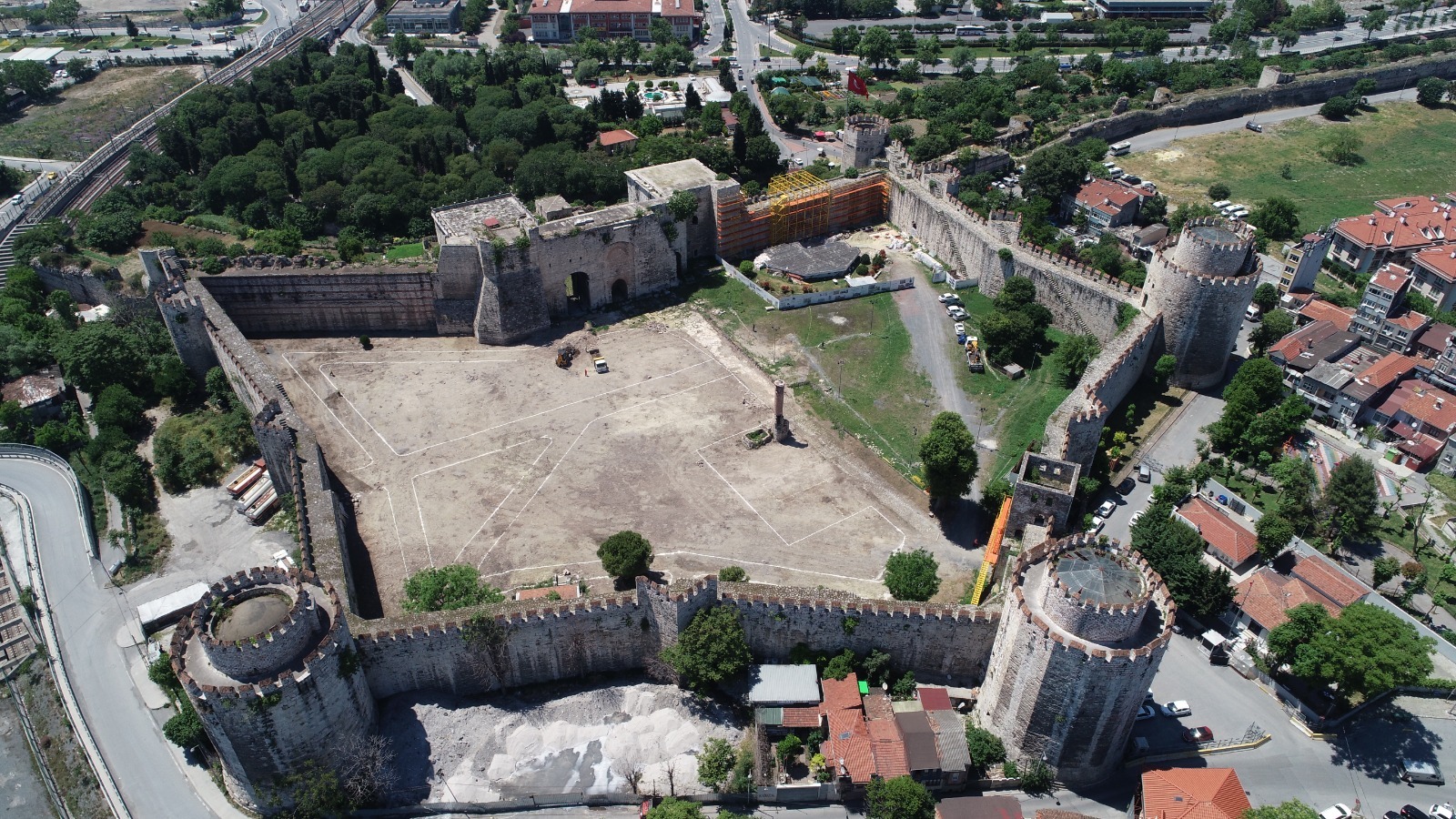
Then I look at the minaret and other remnants from the Fatih Mosque. They are almost in the middle of the fortress. Right next to them, I see the remains of the Mese Road, which has been in the same place for 1600 years.
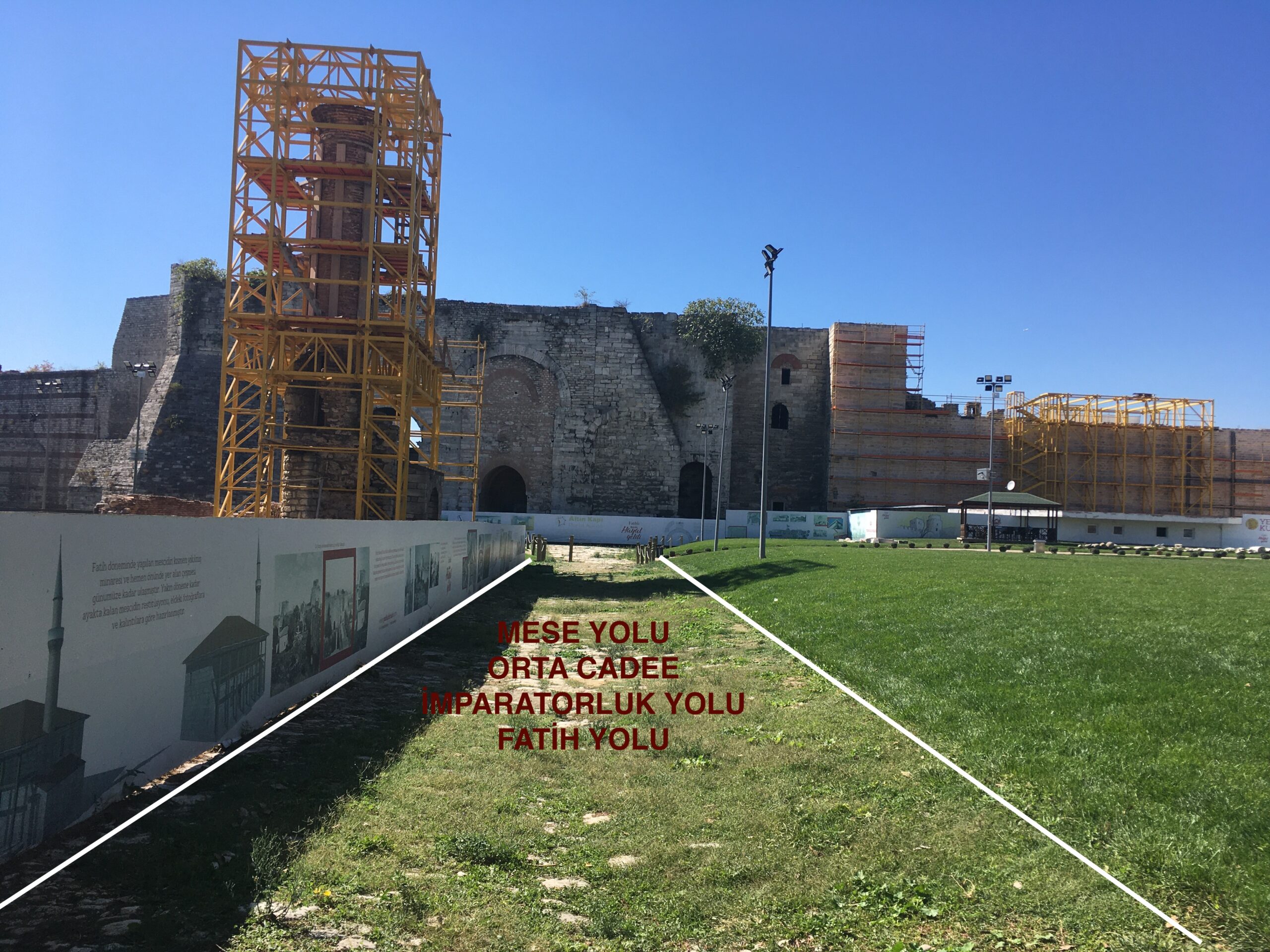
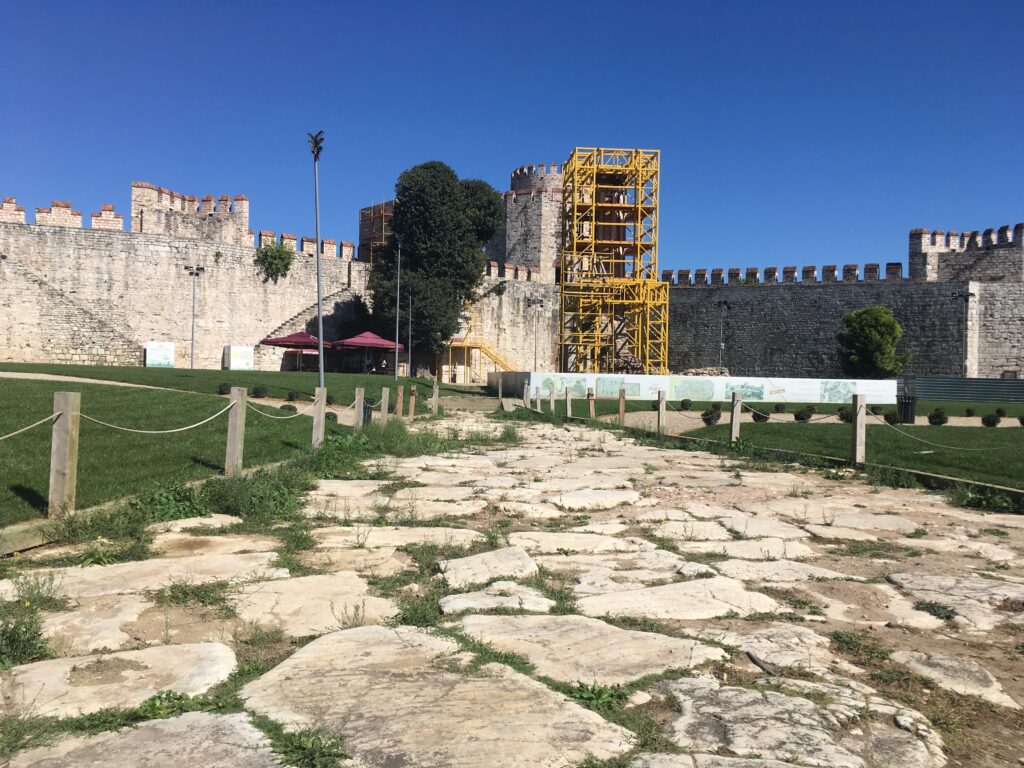
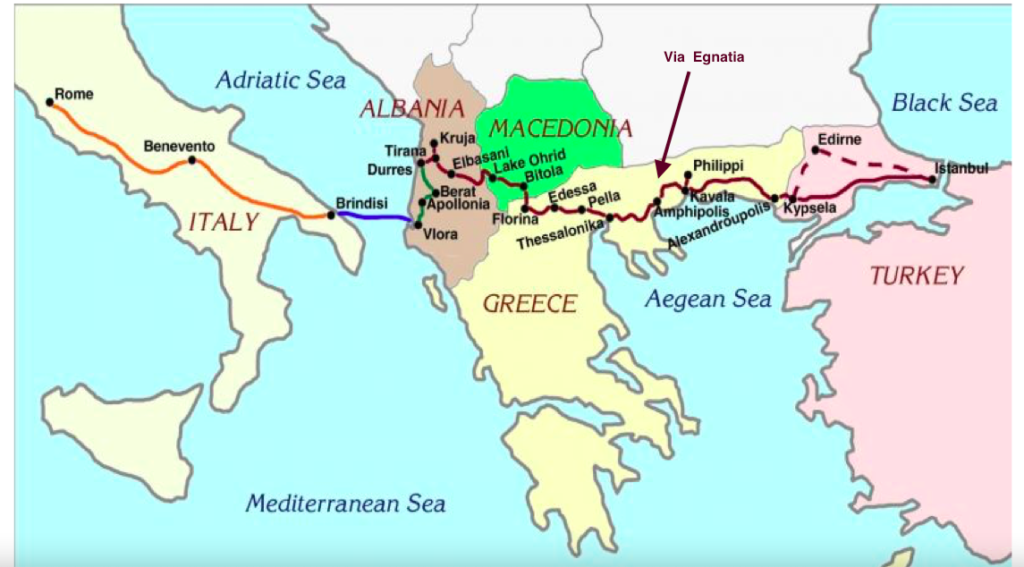
I walk along this short road left behind by countless victories until I reach the Golden Gate. I can still see the traces of the door belts attached to the marble on the arch of the gate. While looking out from two small golden gate grates, I imagine the Via Egnatia road reaching Rome, the first road extending 1120 km from Turkey to the Adriatic shores of Albania. I look at the Golden Gate, where kings and members of foreign courts visiting the Byzantine Empire were splendidly welcomed.
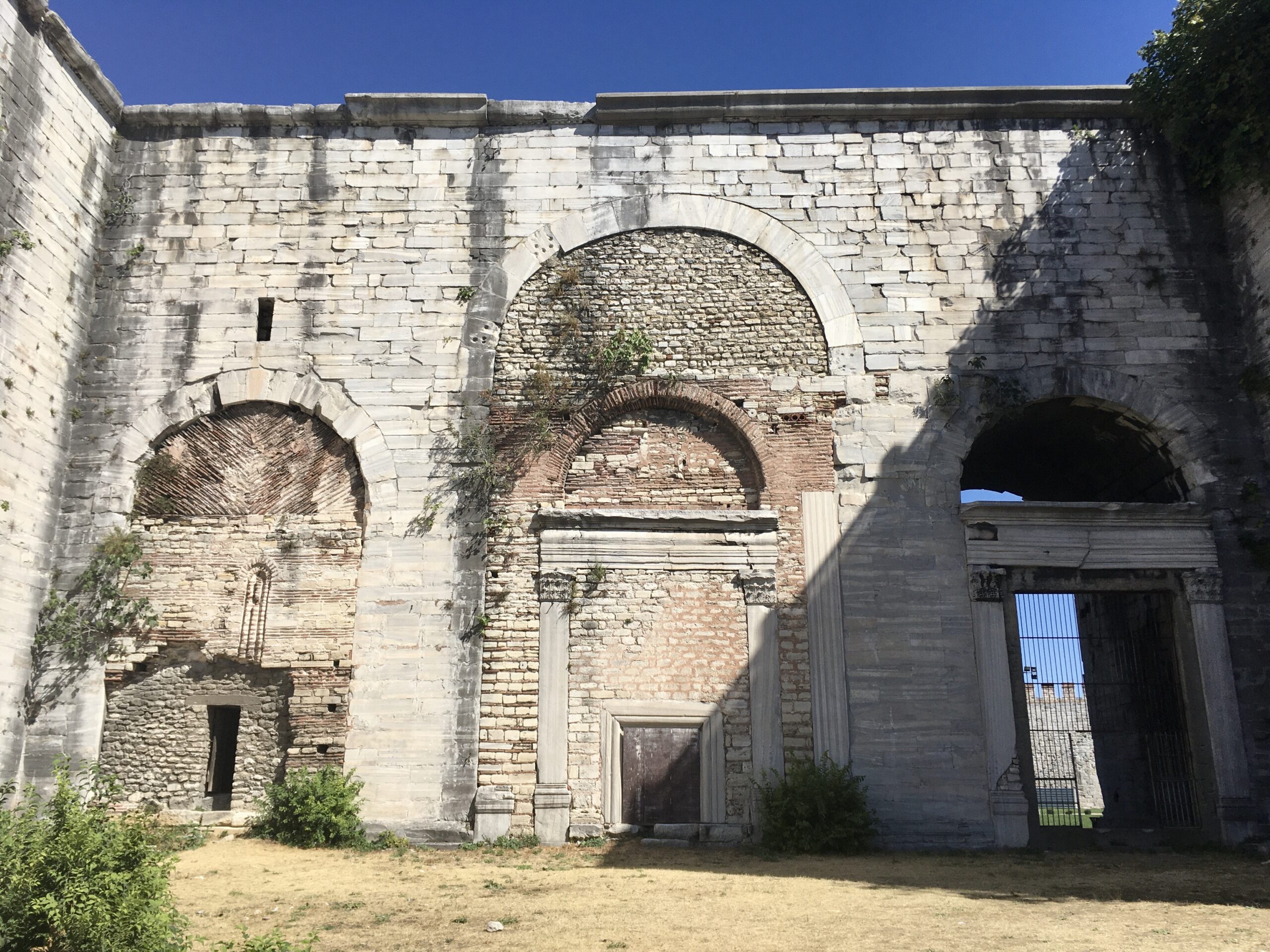
Descending through the dark walls and low arches, I step outside. I wander around the courtyard and look at the sections before and after restoration. Then I visit the dungeon tower. This was generally used as a dungeon where foreign prisoners were held. Due to the abundance of foreign inscriptions on the walls, this tower is also called the Tower of Inscriptions. Here, many important prisoners were held, including Venetian nobleman Stephanus Alberti, French Consul Jean de la Haye, and Russian envoys Count Tolstoy and Aleksi
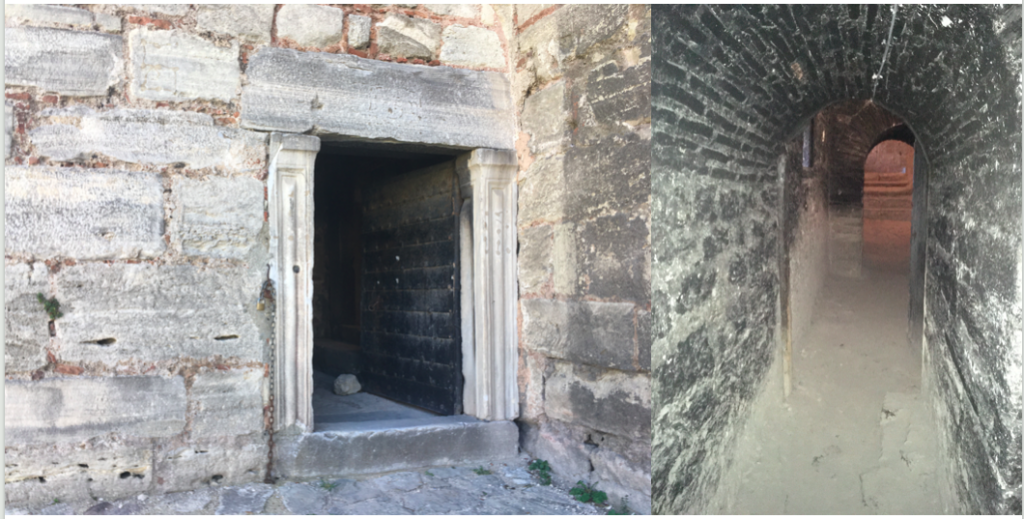
I am in the section where the Bloody Pit and cells are located. The pit is narrow and long, wide enough for a human body to fit in. This was where snakes and scorpions were put in to torture prisoners. Rather than imagining how far the pit extended to the Sea of Marmara, I look around. I withdraw my gaze from the pit of death, where numerous tortures and deaths occurred, and observe the cells constructed from wooden platforms. The cells are about the average height and width of a person. Although it’s not very clear in the darkness, there are some markings on the walls left by prisoners from their own times. I think these markings might be names, affiliations, or simply signs of what they thought or felt at the time.
.
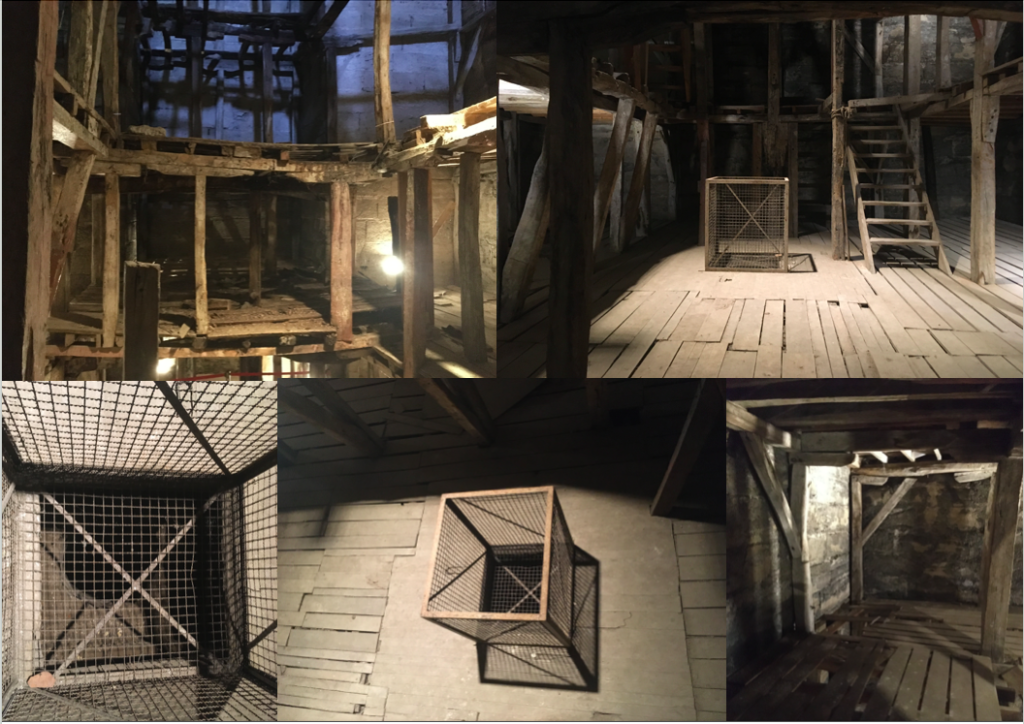
Leaving behind this place that chills one to the bone with intense emotions and walking two more floors upI Here I imagine Sultan Osman the young, the Conqueror of Crete, Deli Hüseyin Pasha, the chief architect of the palace Kasım Ağa, Halıcızade Mehmet Pasha and countless other prisoners. As I come to places where unpleasant events occurred, I’m confronted with the cold and deep silence of history, its mercilessness..
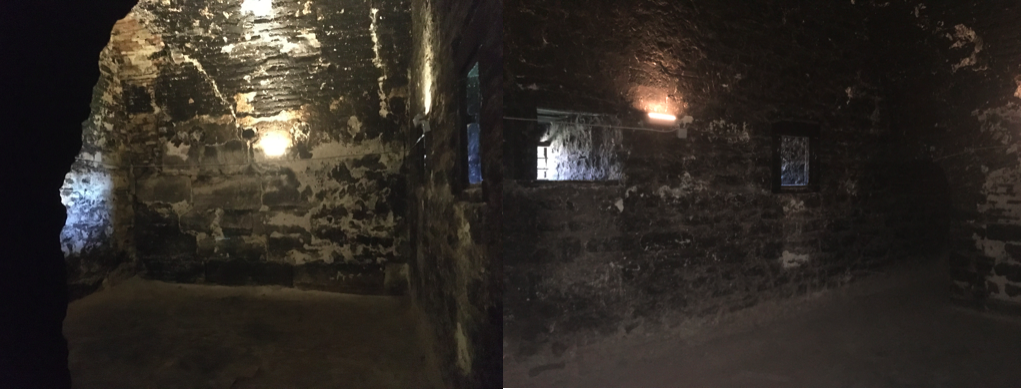
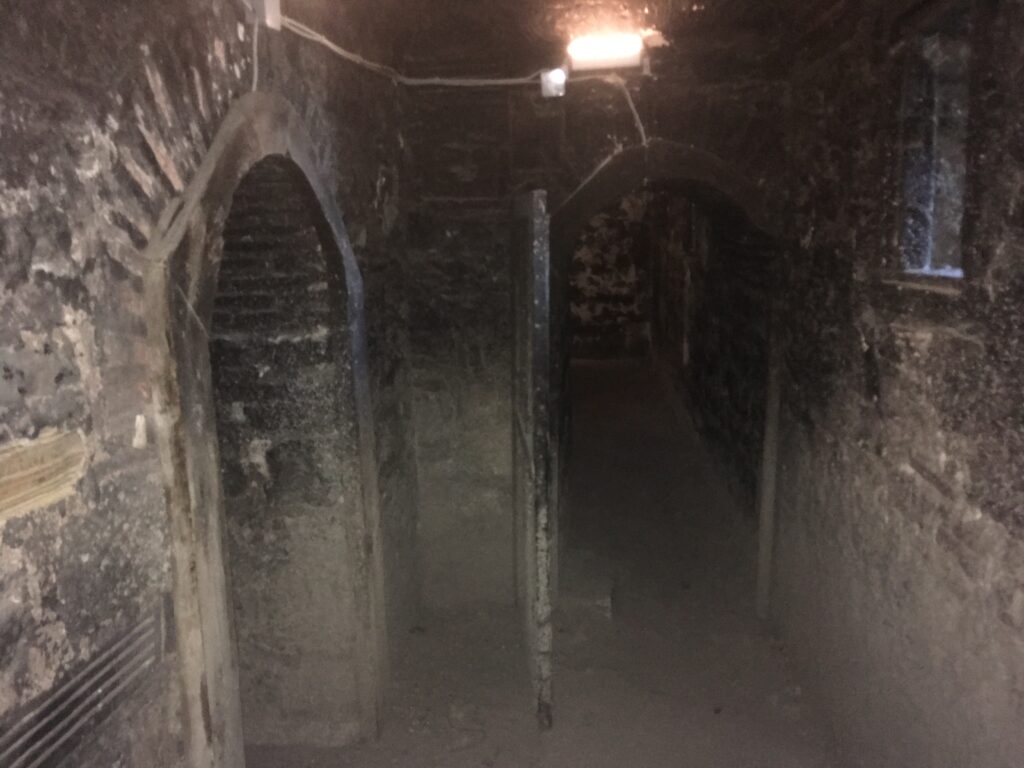
Passing through the dark walls and low arches, I descend through narrow stairs and step outside. I wander around the courtyard, examining the sections before and after restoration. Then, I visit the dungeon tower. This place was commonly used as a dungeon for foreign prisoners, hence its nickname, the Tower of Inscriptions, due to the abundance of foreign writings on the walls. Venetian nobleman Stephanus Alberti, French Consul Jean de la Haye, Russian envoys Count Tolstoy and Aleksi, and rare prisoners who died here include Wallachian Prince Constantin Brancoveanu. The last prisoner of Yedikule dungeons, French ambassador Ruffini (in 1798), must have been held here.
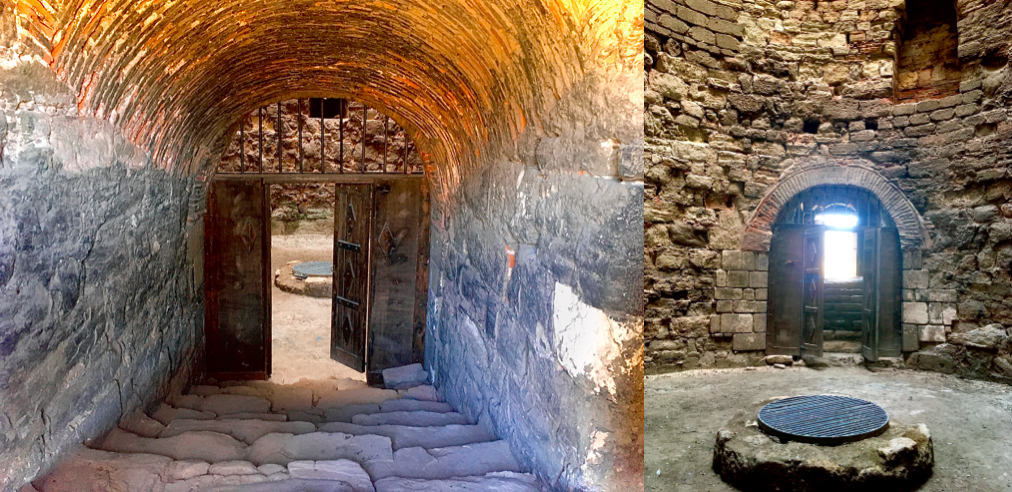
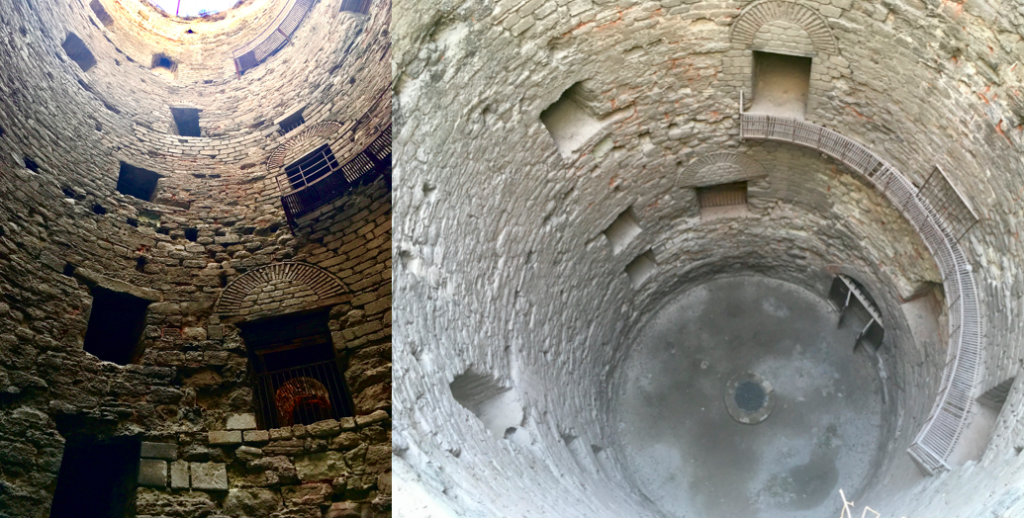
The restoration, which is expected to last for years, has been ongoing since July 2020. Currently, only two towers are open to visitors, and guided tours of these towers are conducted by guides appointed by the Fatih Municipality. I believe that after restoration, it will become one of the most important tourist routes. In the vicinity, you can visit the earth-filled moats that contributed to the impregnability of the city walls, gates that have withstood the test of time, Hadım Ibrahim Pasha Mosque from the mosques of Mimar Sinan, Balıklı Rum Church, and many other historical and cultural treasures.